Stroud Water Research Center produces the trusted science needed for successful stream and river conservation while fostering people’s passion for the water in their lives.
What We Do
Freshwater Research

Environmental Education
Watershed Restoration

From Freshwater Science to Real-World Solutions
The Stroud Center integrates scientific discovery, watershed restoration, and long-term monitoring to generate practical solutions for freshwater protection.
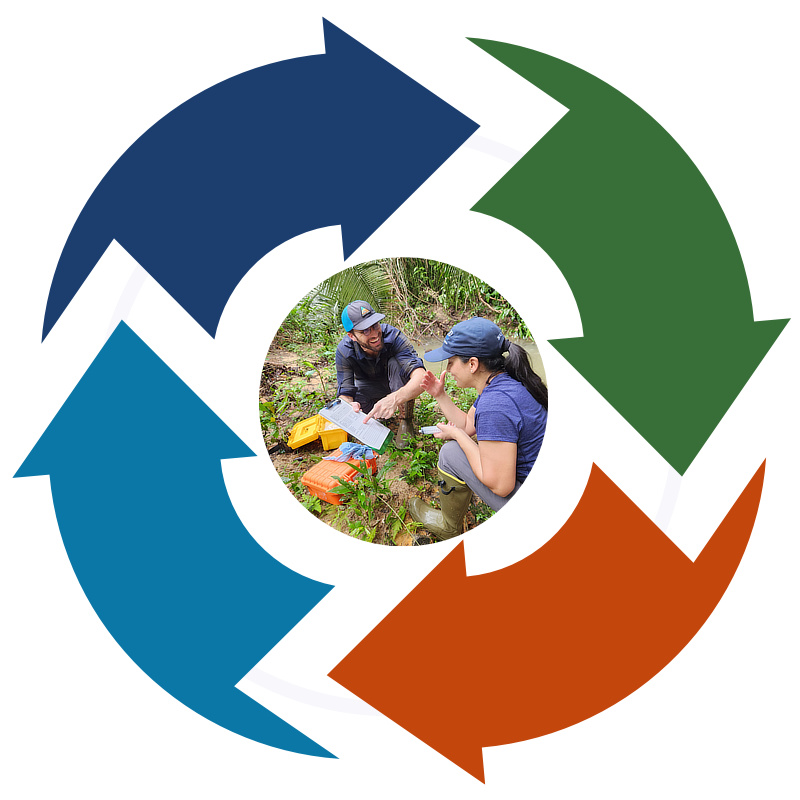
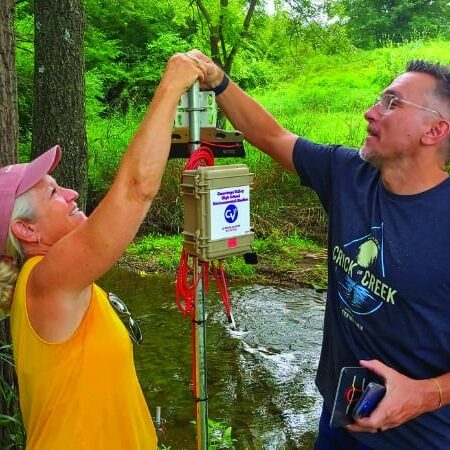
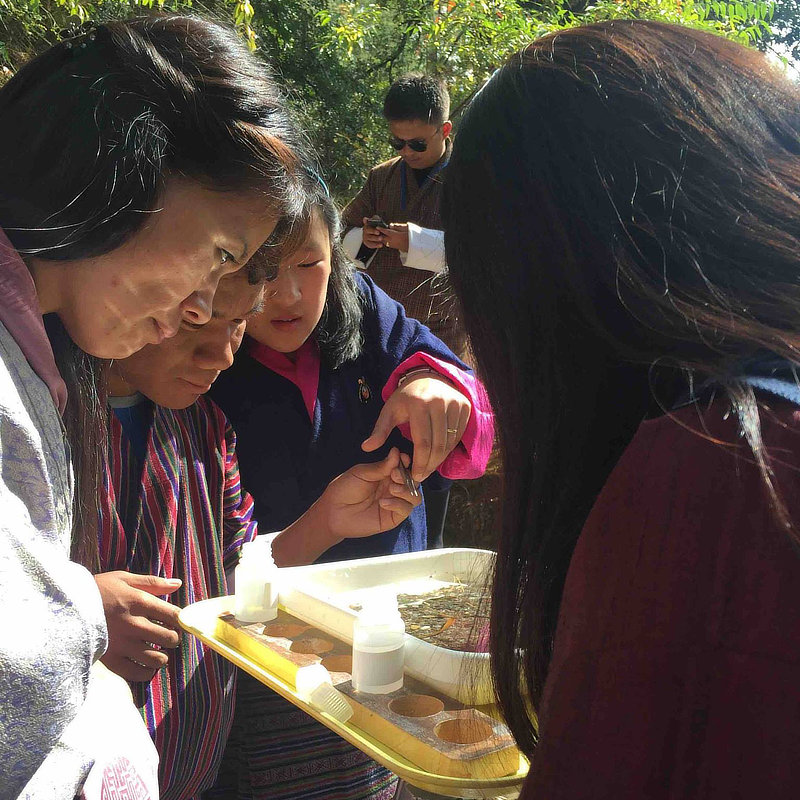
Expanding Access to Water Quality Monitoring
Globally, more than 3 billion people lack water quality data. Expanding access to monitoring tools helps communities protect their water and safeguard public health.

Get Involved
At the Stroud Center, we are both practical and optimistic, and we have seen change for the good. Join us in pursuing positive outcomes for the environment and people.
To discuss other ways in which you may support the Stroud Center, please email development@stroudcenter.org.
Latest Freshwater News
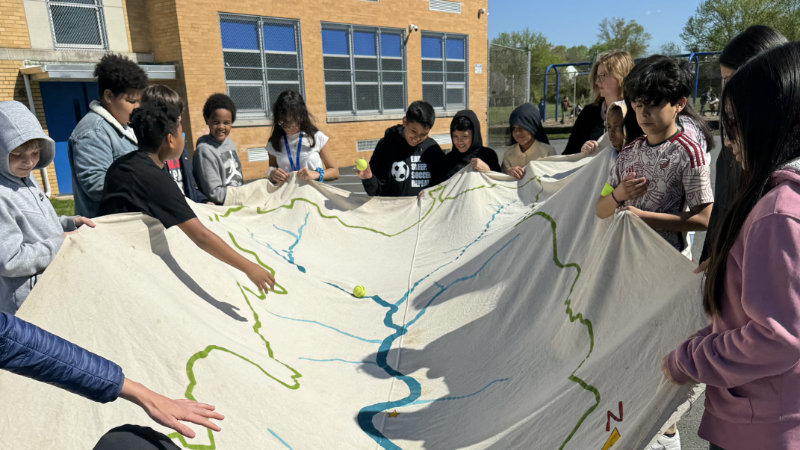
Building Environmental Literacy Through Watershed Education
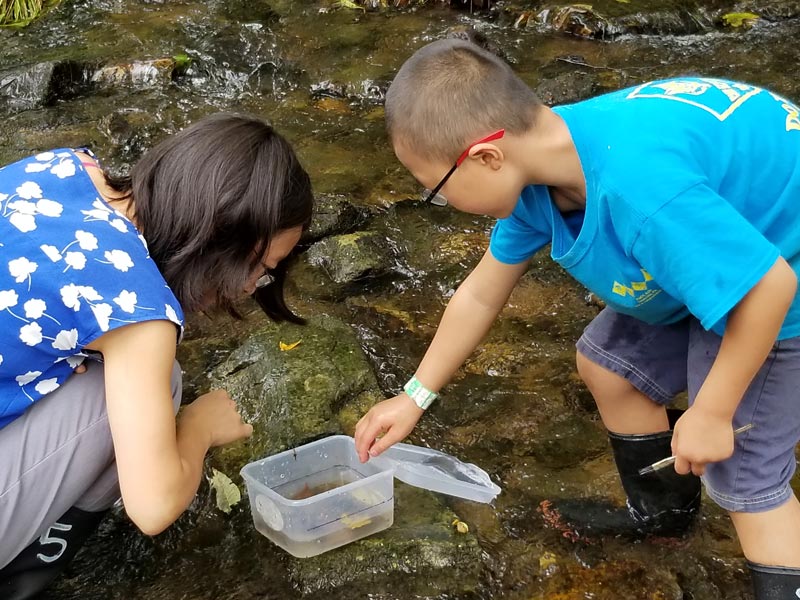
Plan a Better Stream Investigation
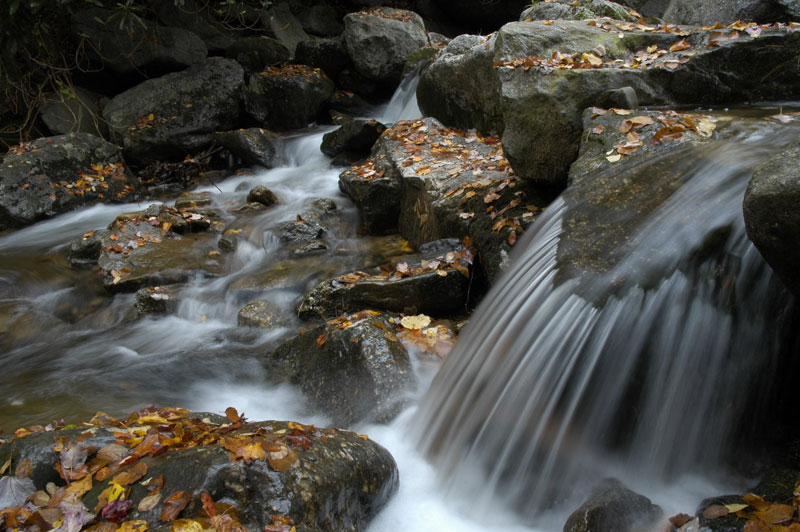
Stroud Center Weighs In on Pennsylvania’s Proposed PFAS Safeguards

Growth, transport, and recruitment of phytoplankton in a mid-order river
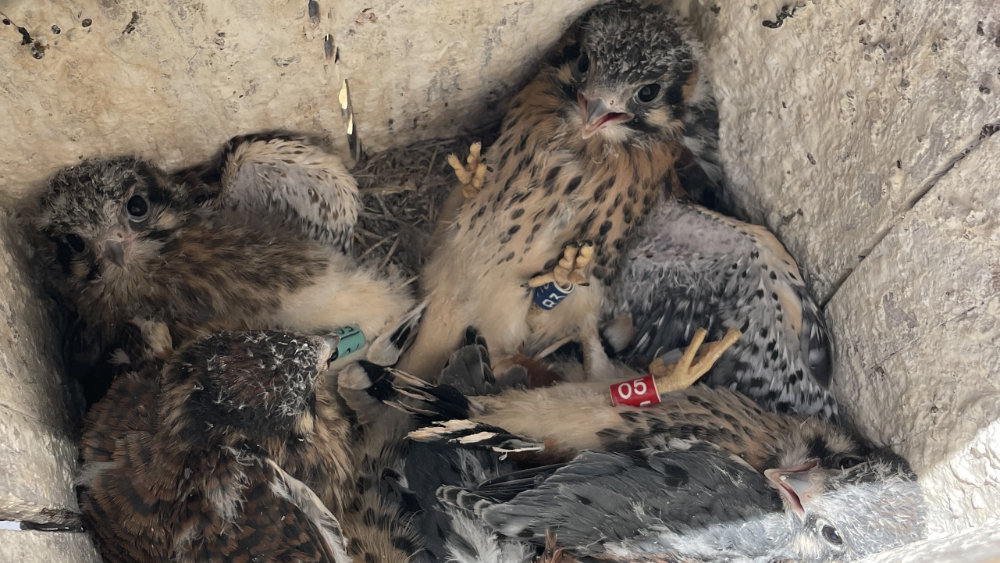
Connecting the Kittatinny to the Chesapeake: An Update
Dams and their legacies shape biogeochemical evolution of riparian sediments

Upcoming Events
Train-the-Trainer Workshop: Salty Streams and Safer Streets
November 4, 9:00 AM – 3:30 PM ESTThe Water’s Edge Gala and Presentation of the 2026 Stroud Award for Freshwater Excellence
November 5, 6:00 PM – 9:00 PM ESTSinging From Tree Tubes: Birds, Buffers, and Habitats
November 17, 6:00 PM – 8:00 PM ESTExtraGive Celebration
November 20, 6:00 PM – 9:00 PM EST