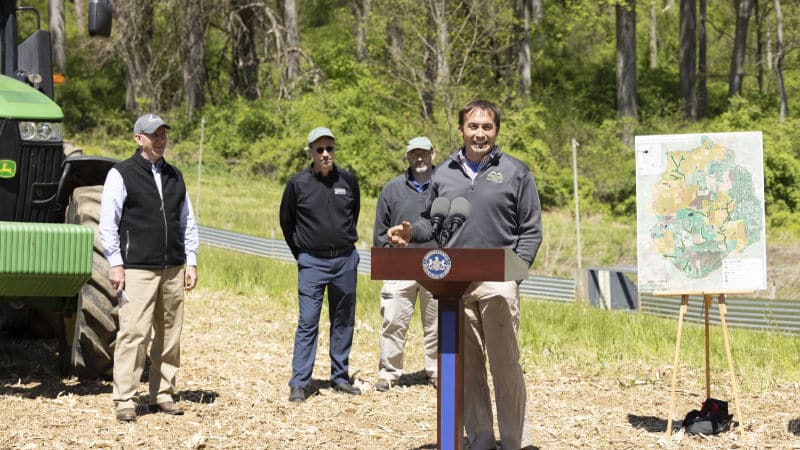
Read the press release, Stroud Launches Watershed Restoration Group to Ensure Water Quality
The Mission
Photo: Lancaster County Conservation District.
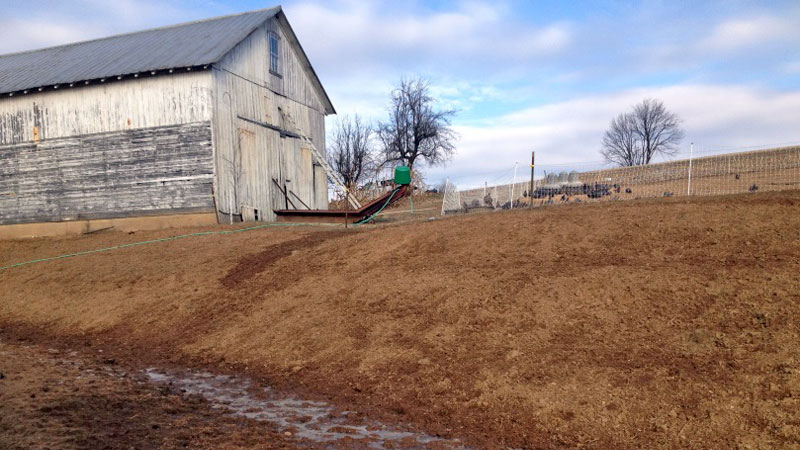
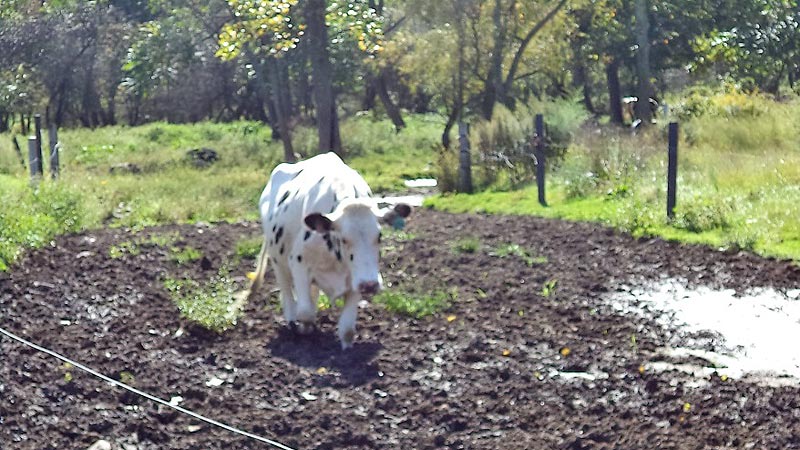
Barnyard runoff. Photo: David Wise.
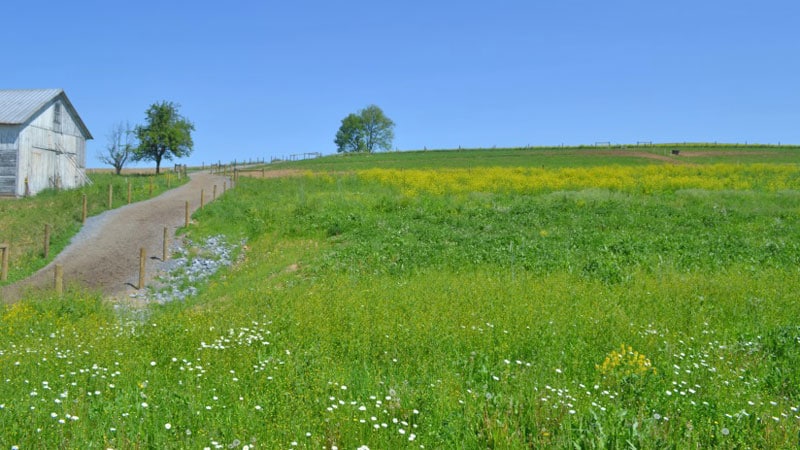
Forested buffer. Photo: USDA NRCS.
The Watershed Restoration Group at Stroud Water Research Center aims to develop and implement watershed restoration programs that
- connect landowners, stakeholders, and the general public with best management practices for conserving, restoring, and protecting watersheds; and
- help provide the infrastructure on the ground for sustaining sources of clean fresh water at a local, regional, and global scale.
The Watershed Restoration Group works closely with the Center’s scientists and educators to interpret and use research findings and the findings of other scientists to develop and implement these programs.
Meet the Team
Matt Ehrhart
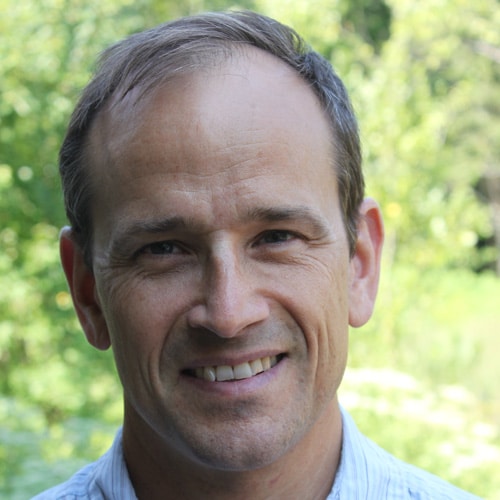
Matt Ehrhart, Director of Watershed Restoration
As director of watershed restoration, Matt Ehrhart provides the strategic vision and overall direction for the Watershed Restoration Group, including identifying emerging needs and opportunties. Ehrhart develops relationships with other institutions, develops sources of funding, and keeps a broad view of the Group’s overall context.
Learn more about Matt Ehrhart »
David Wise
David Wise, Watershed Restoration Manager
David Wise handles the day-to-day management of the Watershed Restoration Group’s programs and projects. This includes the many working relationships with partners (natural resource agencies, agriculture consultants, land trusts, and so on), funders, and individual landowners.
Current Work
Stroud Farm Stewardship Program
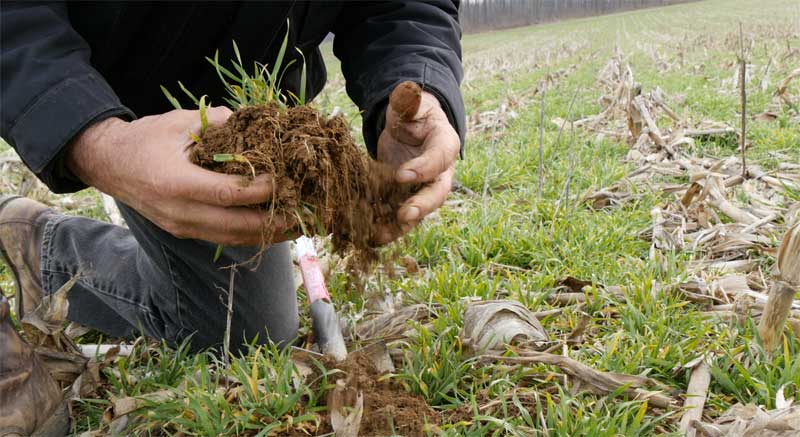
“Raising the bar” is the hallmark of this program, designed to provide financial and technical assistance to enable farmers to install conservation measures to protect water quality. In order to receive resources, participating farmers are asked to meet a high bar for conservation that includes:
- developing a current conservation plan to guide conservation efforts on the farm,
- addressing any runoff issues from barnyards or other animal concentration areas,
- complying with all state agricultural conservation regulations, and
- installing forested buffers at least 35-feet wide that exclude any livestock from streams.
Sycamore live stake. Photo: USDA NRCS.Current funding also enables farmers to receive a voluntary assessment of their ability to generate tradable nutrient credits. Nutrient trading holds the potential to use market forces to secure cost-effective water quality improvements to meet society’s needs for clean water.
Low-Cost Methods for Buffer Plantings
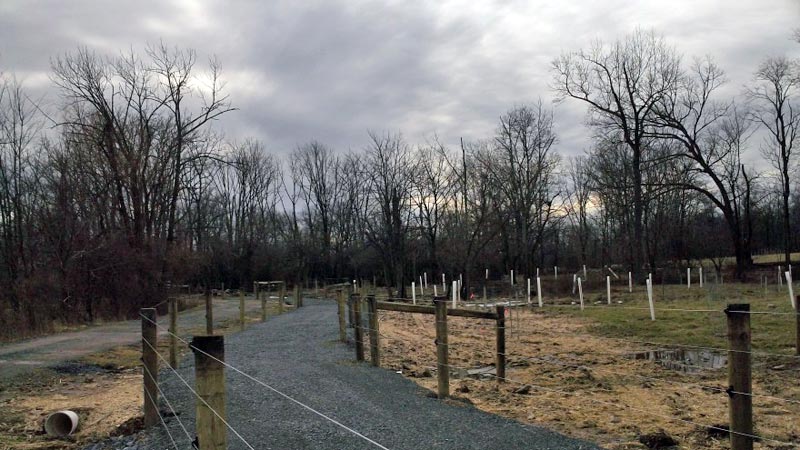
This project helps develop methods for streamside reforestation with potential to be more effective at lower cost than current methods. Regional plans to restore watersheds rely heavily on forested buffers.
Current methods relying on tree shelters have some limitations and are rather expensive. This project develops and assesses alternative methods including natural regeneration, direct seeding, and use of live stakes (i.e., stem sections of species able to root and grow into new trees and shrubs).
Watershed Restoration News
- Dec. 18, 2012: Stroud Water Research Center has been awarded a grant to help farmers in Lancaster County, Pa. implement best management practices and nutrient credit trading. Read more by visiting EPA.gov and Lancaster Online.
- Feb. 20, 2013: The Center has received a Pennsylvania “Growing Greener” grant to help 40 farmers in Lancaster County become compliant with state conservation regulations. Read an article at Lancaster Online.

1
2
3